Sin City History
Las Vegas, whose name means “The Meadows” in Spanish, was founded in 1905 when 110 acres of land were auctioned off as a railroad stop between Los Angeles and Salt Lake City. Before that, the area was home to Native American tribes and later used by Spanish explorers and settlers traveling through the desert. The city officially became incorporated in 1911, but it remained small and quiet until the 1930s. The construction of the Hoover Dam brought thousands of workers and boosted the local economy. With legalized gambling in 1931, Las Vegas quickly began to transform into an entertainment hotspot, attracting visitors looking for excitement and opportunity.
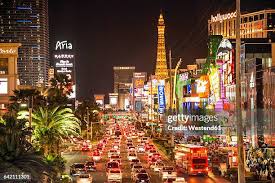
During the 1940s and 1950s, Las Vegas entered its golden age, as lavish hotels and casinos like the Flamingo opened, many backed by organized crime figures. The bright neon lights of the Strip became famous symbols of the city’s energy and allure. By the 1960s, corporate ownership replaced mob influence, bringing legitimacy and large-scale development. In later decades, Las Vegas reinvented itself as a family-friendly and luxury destination, adding mega-resorts, world-class dining, and entertainment. Today, it stands as one of the most iconic cities in the world—a desert oasis built on ambition, innovation, and reinvention.